

Xtellio has introduced a new telematics platform designed to track and manage construction equipment of all sizes, from heavy machinery to small tools. The system uses plug-and-play sensors to provide comprehensive fleet data, improving visibility and control across entire job sites.


According to CEO Tom Valbak Aardestrup, telematics in construction has traditionally focused on large equipment. The new platform builds on this foundation by extending data collection to smaller and non-powered assets, giving companies a more complete view of their operations while maintaining flexibility and data ownership.
At the core of the system are compact, battery-powered sensors known as “Xenses.” These rugged devices can be attached to smaller tools and equipment, capturing key data and transmitting it via Xtellio’s cloud-based platform using “Xentral” gateways. The sensors are designed for long-term use, with a battery life of up to 10 years.
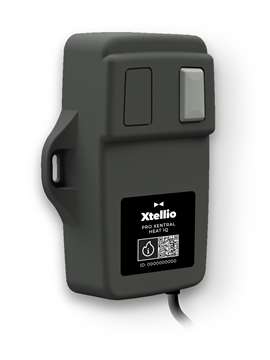
For larger machinery, Xtellio offers Pro-Xentral units that connect directly to equipment such as excavators, dozers, boom lifts and industrial heaters. These devices collect more advanced data, including engine hours, diagnostics and operational status, enabling detailed analysis and more effective fleet management.
The system is highly flexible, allowing Xentrals to function independently or in combination with Xenses for enhanced data collection. Pro-Xentral units are available in multiple configurations, including a standard version for location and runtime tracking, a CANBus model that provides in-depth engine diagnostics and fault codes, and a Heat IQ version designed specifically for monitoring industrial heating equipment.
By combining these technologies, Xtellio aims to give construction and rental companies full visibility across their fleets, helping them optimise performance, improve decision-making and better manage assets across multiple job sites.
Founded in 2005 and headquartered in Denmark, Xtellio currently offers its telematics solutions in the North American market through a range of subscription-based models.