









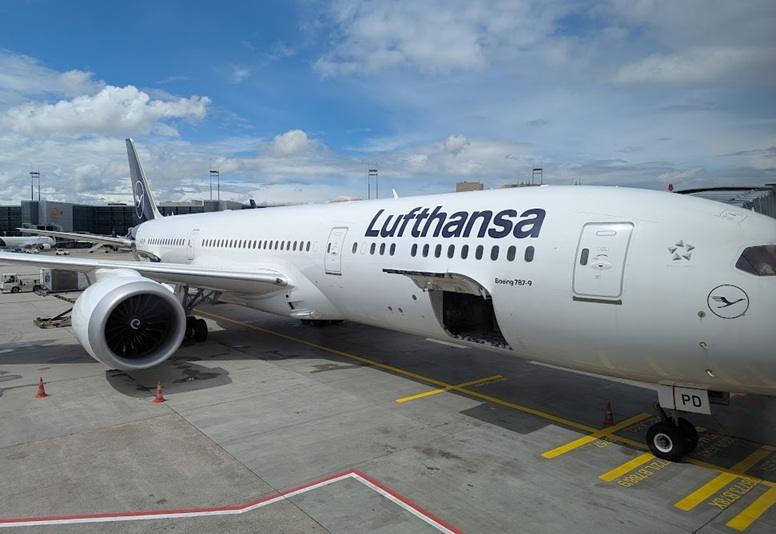
Lufthansa Group has renamed its Green Fare offering to Impact Fare as airlines face increased scrutiny over environmental claims and new European Union rules targeting greenwashing.


Introduced in 2023, the fare allows passengers to contribute towards initiatives intended to reduce aviation-related emissions. The name change reflects a shift in environmental communication as companies adapt to stricter requirements governing sustainability claims.
Under the programme, passenger contributions fund the use of additional sustainable aviation fuel (SAF), accounting for 20% of estimated flight emissions on European routes and 10% on intercontinental flights. The remaining contribution supports climate protection projects outside the aviation industry, including reforestation and direct air capture initiatives designed to remove and store carbon dioxide.
Lufthansa Group said more than five million passengers have booked the fare to date. According to the company, the new name places greater emphasis on the contribution customers can make towards sustainability in aviation.
Although Lufthansa did not specify which regulation prompted the change, the announcement follows the introduction of the European Union’s Directive on Empowering Consumers for the Green Transition. The directive strengthens consumer protection against misleading environmental claims, including unsubstantiated generic statements about products and services being environmentally friendly.
The airline group has also faced increased regulatory scrutiny over how it communicates the environmental impact of air travel. Last year, Lufthansa was among several airlines that agreed with the European Commission to change environmental claims identified by consumer protection authorities as potentially misleading.
The agreement followed a complaint by the European Consumer Organisation, which challenged airline marketing that suggested passengers could offset the climate impact of flying through additional payments supporting climate projects or sustainable aviation fuel.
The complaint called for airlines to stop making claims that could give consumers the impression that flying is sustainable and sought reimbursement for customers who had paid additional green fees based on misleading environmental representations.
Lufthansa’s decision forms part of a broader trend among consumer-facing companies reviewing sustainability communications to meet evolving regulatory expectations. Businesses are increasingly required to ensure that environmental claims are clear, specific and supported by appropriate evidence.
The European Commission has also recently announced agreements with Coca-Cola, Nestlé and Danone to improve recycling claims associated with their plastic bottles following a greenwashing complaint.
For the aviation sector, the distinction between funding climate initiatives and directly reducing the emissions associated with a flight remains important. Sustainable aviation fuel and carbon removal projects can contribute to broader climate objectives, but their environmental benefits depend on factors such as production methods, emissions accounting and the effectiveness of the projects involved.
As scrutiny of green marketing increases, airlines will need to communicate the scope and limitations of their sustainability initiatives more transparently. Lufthansa’s move highlights how regulatory developments are influencing the way companies present environmental commitments to customers, with greater emphasis on substantiated claims and clear explanations of the impact of additional contributions.