

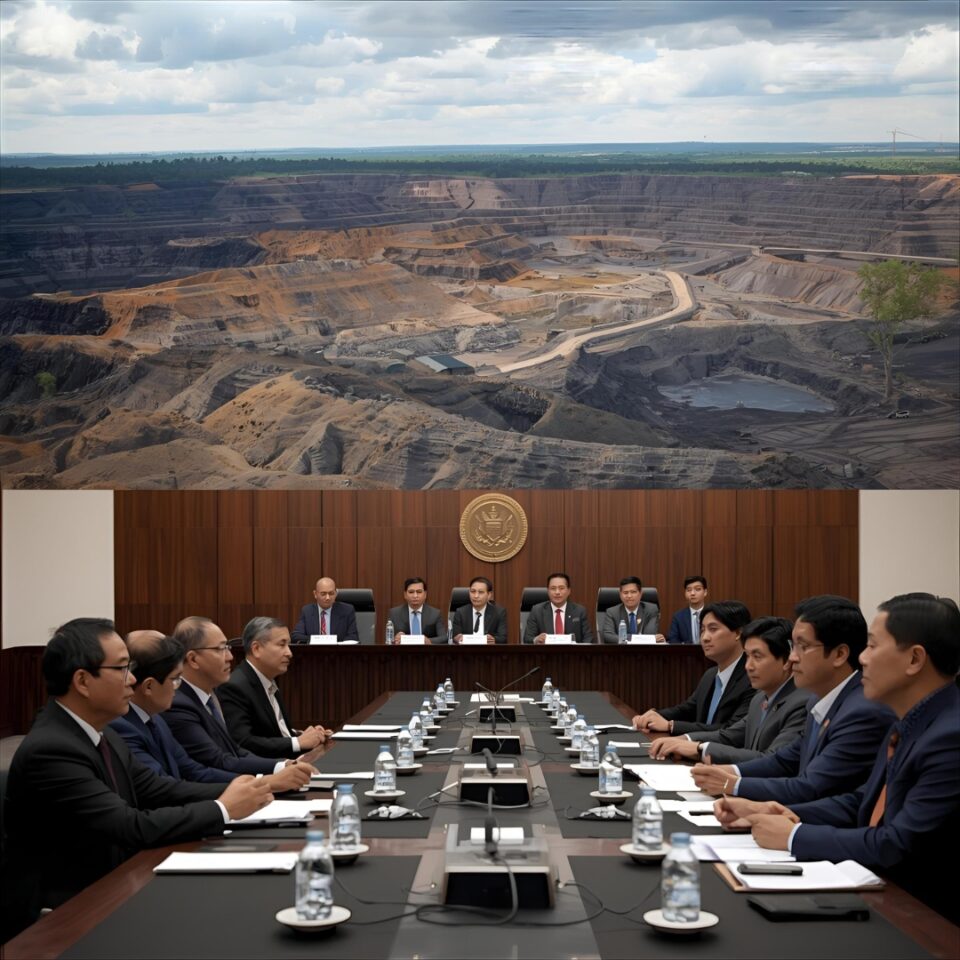
Indonesia has reduced the validity of its mining production quotas from three years to one, effective October 3, in a move aimed at tightening government control over mineral output and stabilizing commodity prices, including coal and nickel.
The decision, first signaled in July by Mining Minister Bahlil Lahadalia, requires mining companies to reapply annually for production approvals under the Rencana Kerja dan Anggaran Biaya (RKAB) system — the official document used to request mining volumes for a specific period.
While 2025 quotas remain valid, miners holding approvals for 2026 and 2027 must now resubmit their applications. The Ministry of Energy and Mineral Resources said RKAB proposals should be filed between October 1 and November 15 each year.
The Indonesian Coal Miners Association (APBI) has voiced concern that the shortened timeline could disrupt operations and investment planning.
“This is closely related to certainty in business sustainability, from investment to contract fulfillment,” said APBI executive director Gita Mahyarani.
Under the new regulations, miners must also demonstrate proof of funds reserved for land rehabilitation before obtaining RKAB approval. The requirement reinforces Indonesia’s efforts to improve environmental compliance across its mining sector.
Last month, the ministry suspended 190 mining permits for companies that failed to meet rehabilitation or production obligations, according to state news agency Antara.
The rule change underscores Indonesia’s broader push to balance resource exploitation with environmental responsibility and market stability, particularly as global demand for coal and nickel remains strong.
