











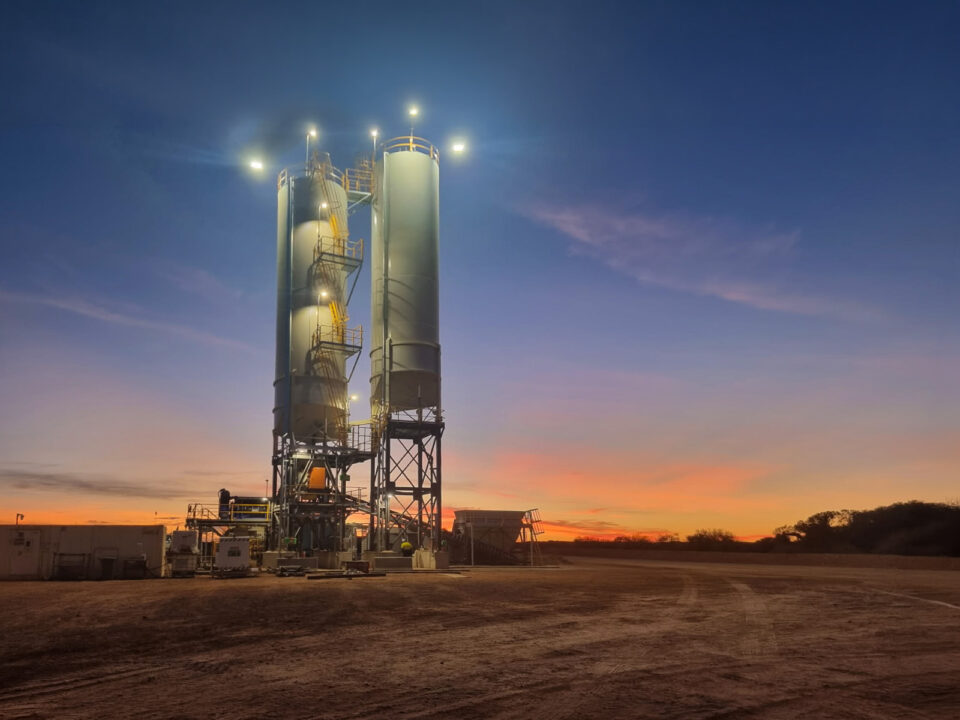
Paste backfill is an important part of many underground mining operations. By combining mine tailings with water and binding materials, a paste backfill plant produces a mixture that can be pumped or gravity fed underground into previously mined areas. Once placed, the material helps provide ground support and, depending on the mining method, a platform for subsequent work.


Producing this material requires more than a mixer. The plant must receive, measure, convey, and blend its constituent materials in accordance with the mine’s process requirements. Plant layout, storage capacity, binder handling, mixing equipment, and controls all influence how the system operates.
These are the engineering considerations behind CMQ Engineering’s work in paste backfill plant design and manufacturing.
An Established Background in Plant Engineering
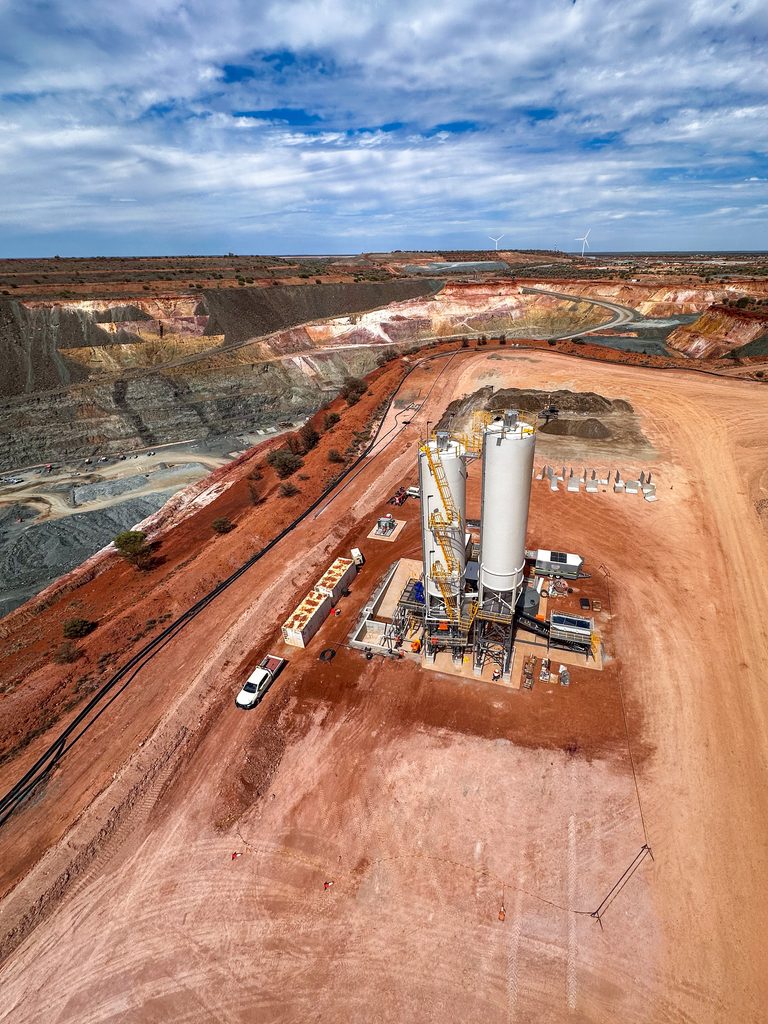
CMQ Engineering is an Australian engineering and manufacturing business serving the concrete, mining, quarrying, asphalt, and materials-handling industries. The company’s family has been manufacturing concrete batching plants since 1964. Its work encompasses the design, fabrication, installation, and commissioning of industrial plants and equipment.
Paste backfill represents an extension of CMQ’s broader experience with batching systems and bulk material handling. These applications share several fundamental engineering requirements: materials must be stored and delivered appropriately, quantities must be controlled, and equipment must work together as an integrated production system.
For underground mining, those principles must be applied to the specific characteristics of the tailings and binder materials, the required paste properties, and the physical conditions of the mine site.
Understanding the Paste Backfill Process
Paste backfill may need to meet specified strength requirements after curing while remaining suitable for transport through the delivery system before placement. Tailings characteristics, moisture content, binder dosage, and mixing all contribute to the properties of the finished paste.
A paste backfill plant therefore needs to provide controlled material handling and mixing. Its configuration must also account for the quantities required, the available footprint, the location of storage and feed systems, and the connection to the mine’s downstream pipeline.
CMQ Engineering designs paste backfill plants around the requirements of individual projects rather than assuming that one arrangement will suit every operation. Depending on the application, a plant may be configured as a static installation or a mobile system.
A Custom Installation in Western Australia
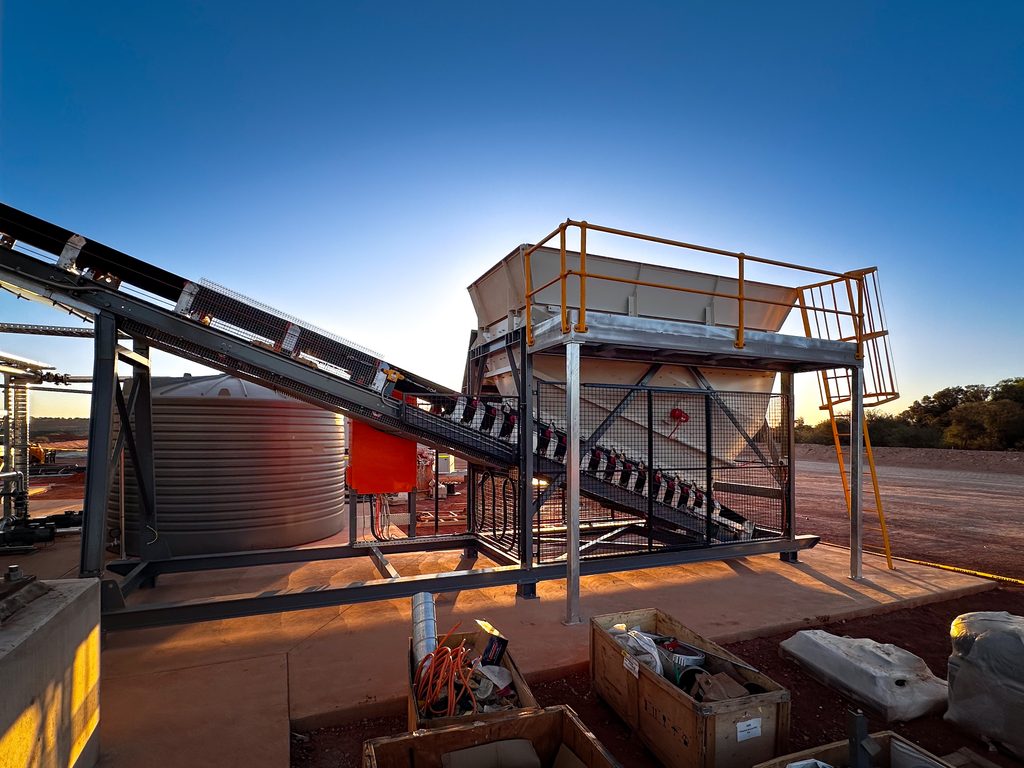
One example of CMQ Engineering’s work is a paste backfill plant supplied to an underground mining operation in Western Australia. The installation illustrates how the major elements of a backfill system can be arranged to handle and combine tailings and cement before the resulting paste enters the mine’s backfill pipeline.
The system includes an aggregate weigh hopper and inclined conveyor, which deliver measured tailings to a single-shaft mixer. CMQ Engineering’s paste backfill plant designs can incorporate single-shaft or twin-shaft mixers, depending on the needs of a specific operation.
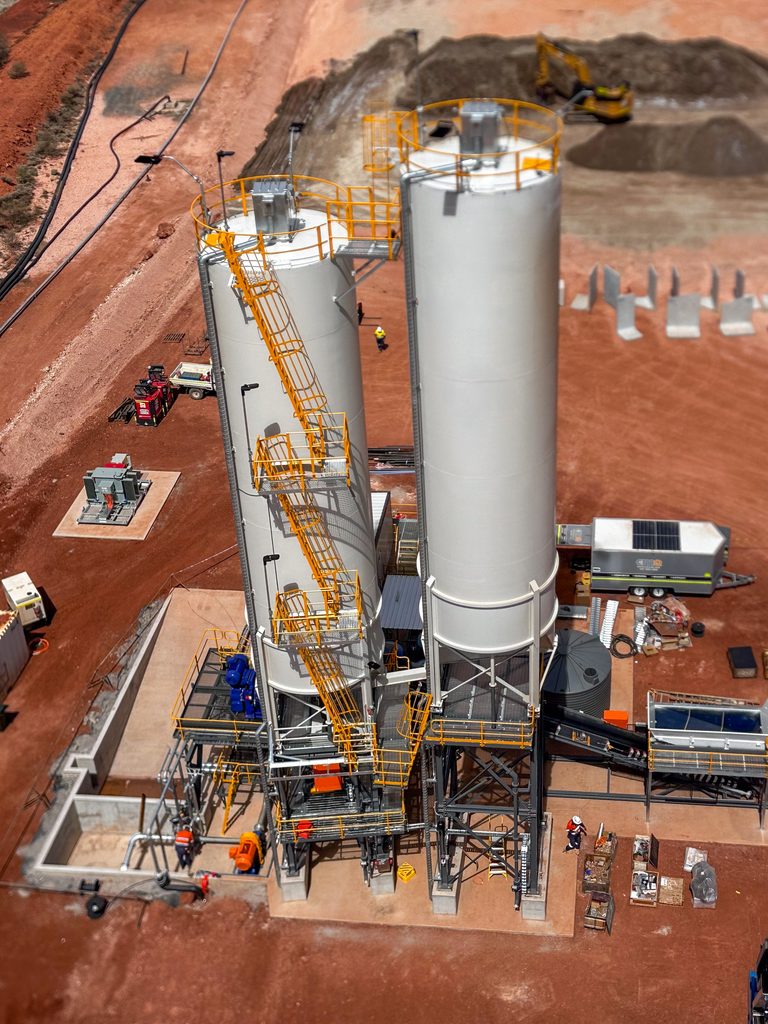
Cement is stored in chisel-nose silos and transferred through a dedicated weigh hopper and screw conveyor to the same mixing system. The chisel-nose silo design is intended to promote first-in, first-out material flow and reduce the potential for material hang-up. The separate cement weighing and conveying equipment provides a controlled route for introducing binder into the process.
At the centre of the installation, the mixer combines the incoming materials. Its mixing action distributes the cement through the tailings and water to produce the paste required for underground placement. The mixed material is then discharged into the backfill pipeline.
The installation demonstrates the importance of considering material storage, weighing, conveying, and mixing as connected parts of one plant. Each component has a defined role, and the overall arrangement must suit the mine’s production process and site requirements.
Engineering Around the Individual Mine
The Western Australia installation also illustrates why paste backfill plant design begins with the application rather than a standard equipment arrangement.
Tailings vary from one operation to another, as do production requirements, binder recipes, site layouts, and pipeline configurations. A plant designed for one mine may therefore require a different storage arrangement, feed system, mixer configuration, or production capacity when applied elsewhere.
These requirements need to be considered during the engineering process. The objective is to establish how materials will move through the plant, how their quantities will be controlled, how the ingredients will be mixed, and how the finished paste will be transferred to the mine’s delivery system.
Maintenance access, equipment placement, and integration with existing infrastructure also form part of the design considerations. Addressing these factors at the planning stage helps ensure that the proposed configuration reflects the practical conditions of the site.
For CMQ Engineering, custom plant design brings together its experience in batching, mixing, storage, and materials handling. The particular combination of equipment depends on the requirements established for each project.
An Integrated Approach to Backfill Plant Design
Paste backfill sits at the intersection of mineral processing, materials handling, and underground mine engineering. Its production requires coordination between the characteristics of the raw materials, the required properties of the finished paste, and the equipment used to produce and deliver it.
For mine operators planning a new installation or assessing an existing system, the process begins with defining the application’s requirements. Tailings properties, binder selection, production needs, site constraints, and underground delivery arrangements all influence the design.
A paste backfill plant is ultimately a system built around those requirements. Understanding them is the starting point for selecting the equipment, arranging the process, and developing a configuration suited to the mine.