

South Korea has unveiled a US$747 billion energy transition strategy aimed at accelerating renewable energy development, reducing industrial emissions and strengthening its position in the global clean technology market by 2035.


The Korea-Green Transformation (K-GX) strategy outlines a decade-long programme combining government funding, climate finance and private-sector investment to support the country’s transition towards a low-carbon economy while maintaining industrial competitiveness.
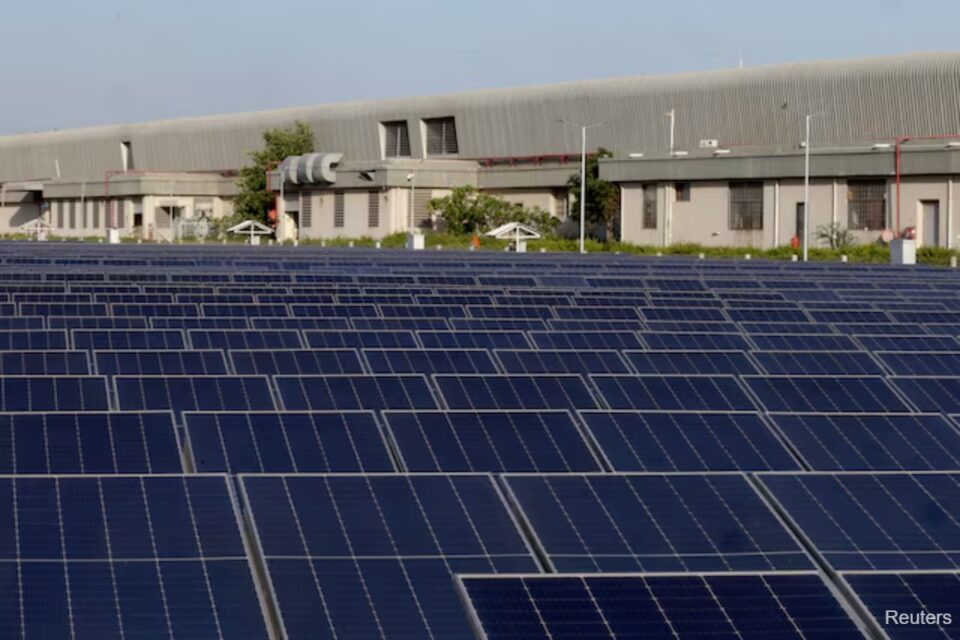
A key priority is expanding renewable energy capacity, with South Korea targeting at least 100 gigawatts of solar and wind power by 2030. The government also plans to upgrade electricity transmission infrastructure to accommodate growing renewable generation and improve the delivery of clean electricity to industrial and residential users.
The strategy places significant emphasis on decarbonising energy-intensive industries, including steelmaking, petrochemicals, refining, cement production and semiconductor manufacturing. These sectors are important to South Korea’s economy but face increasing pressure to reduce their greenhouse gas emissions.
In the steel industry, the government intends to support hydrogen-based production technologies that could reduce reliance on conventional coal-intensive processes. Other initiatives include cleaner industrial production methods, sustainable aviation fuel, improved recycling and the development of carbon capture, utilisation and storage technologies.
South Korea also plans to strengthen domestic clean technology manufacturing through investment in electric vehicles, advanced batteries, solar and wind power equipment, hydrogen technologies and next-generation energy systems. The programme aims to accelerate commercialisation, improve supply chain resilience and increase the international competitiveness of South Korean manufacturers.
Transport electrification forms another major component of the strategy. The government aims for electric and hydrogen-powered vehicles to account for more than 70% of new vehicle sales by 2035. Supporting measures are expected to encourage the adoption of cleaner vehicles and expand electrification across public transport, construction equipment and port operations.
To support implementation, the programme will combine public spending with climate financing and private investment. Funding will be directed towards projects that can deliver emissions reductions, encourage technological innovation and help businesses adopt cleaner production processes.
The strategy also recognises the importance of supporting workers and communities affected by the transition away from carbon-intensive industries. Skills development, vocational training and green employment initiatives are expected to help prepare the workforce for emerging opportunities in renewable energy and low-carbon manufacturing.
The success of South Korea’s energy transition plan will depend on the pace of infrastructure development, the commercial viability of new technologies and the ability to mobilise the investment required over the next decade.
If implemented effectively, the strategy could reshape the country’s energy mix, accelerate industrial decarbonisation and strengthen South Korea’s position in global clean energy supply chains.