

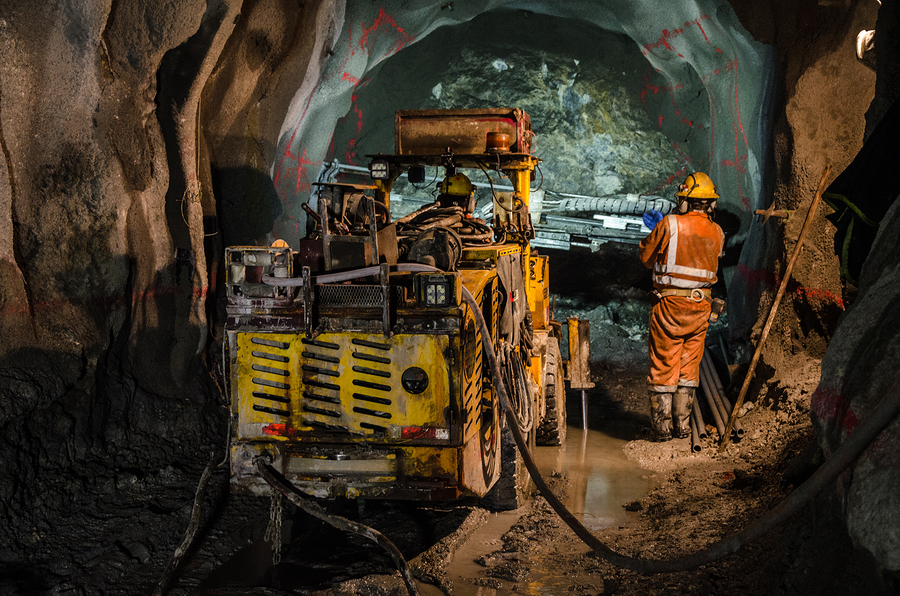
The mining industry is increasingly embracing digital technologies to improve productivity, strengthen safety and optimise operational efficiency. However, while automation, real-time monitoring and data analytics are transforming mining operations, many workers still rely on traditional personal protective equipment (PPE) that offers limited connectivity. Smart PPE is helping bridge this gap by combining essential protective gear with digital technologies that provide greater visibility into workers’ safety and operating conditions.


Smart PPE includes connected helmets, sensor-equipped safety vests, smart glasses, wearable gas detectors and location-tracking devices. These technologies enable mining companies to monitor potential hazards, identify unsafe conditions and respond more quickly to emergencies. By collecting and transmitting real-time data, smart PPE can help create safer working environments, particularly in underground mines and other high-risk areas.
One of the most significant benefits of smart PPE is its ability to improve hazard detection. Wearable sensors can monitor exposure to harmful gases, extreme temperatures, excessive noise and other workplace risks. When conditions exceed established safety thresholds, the devices can alert workers and supervisors, allowing corrective action to be taken before incidents escalate.
Connected helmets and location-tracking systems can also help mining operators identify workers’ positions across large or complex sites. In an emergency, this information can support faster responses and assist rescue teams in locating personnel. Some systems can additionally detect falls, prolonged inactivity or signs of worker distress, depending on the technology deployed.
Beyond safety, smart PPE can contribute to better communication and operational decision-making. Smart glasses and connected headsets can provide workers with digital instructions, equipment information and remote assistance without requiring them to leave their workstations. This can be particularly valuable during maintenance, inspections and equipment repairs, where access to technical expertise may be limited.
Despite these advantages, the adoption of smart PPE is not without challenges. Mining environments often have limited network coverage, particularly underground, making reliable data transmission difficult. Equipment must also withstand dust, moisture, vibration and extreme temperatures while remaining comfortable enough for workers to wear throughout their shifts.
Cost, battery life, cybersecurity and integration with existing mine management systems are additional considerations. Mining companies must ensure that new devices are compatible with established safety procedures and that workers receive adequate training to use them effectively. Smart PPE should complement, rather than replace, conventional protective measures, risk assessments and established safety protocols.
Closing the digital gap also requires addressing differences in technological readiness across mining operations. While large mining companies may have the resources to deploy connected safety systems, smaller operators can face financial and technical barriers. Scalable solutions, reliable infrastructure and partnerships with technology providers will be important in making smart PPE more accessible across the industry.
As mining operations become increasingly connected, smart PPE is emerging as an important link between workers and digital safety systems. By bringing real-time information closer to the people working on the ground, it can help mining companies improve hazard awareness, strengthen emergency preparedness and make more informed decisions.
The long-term value of smart PPE will depend not only on the sophistication of the technology but also on how effectively it is integrated into everyday operations. When supported by reliable connectivity, appropriate training and a strong safety culture, connected protective equipment can help close the digital gap and move the mining industry towards safer, more responsive and more intelligent operations.