

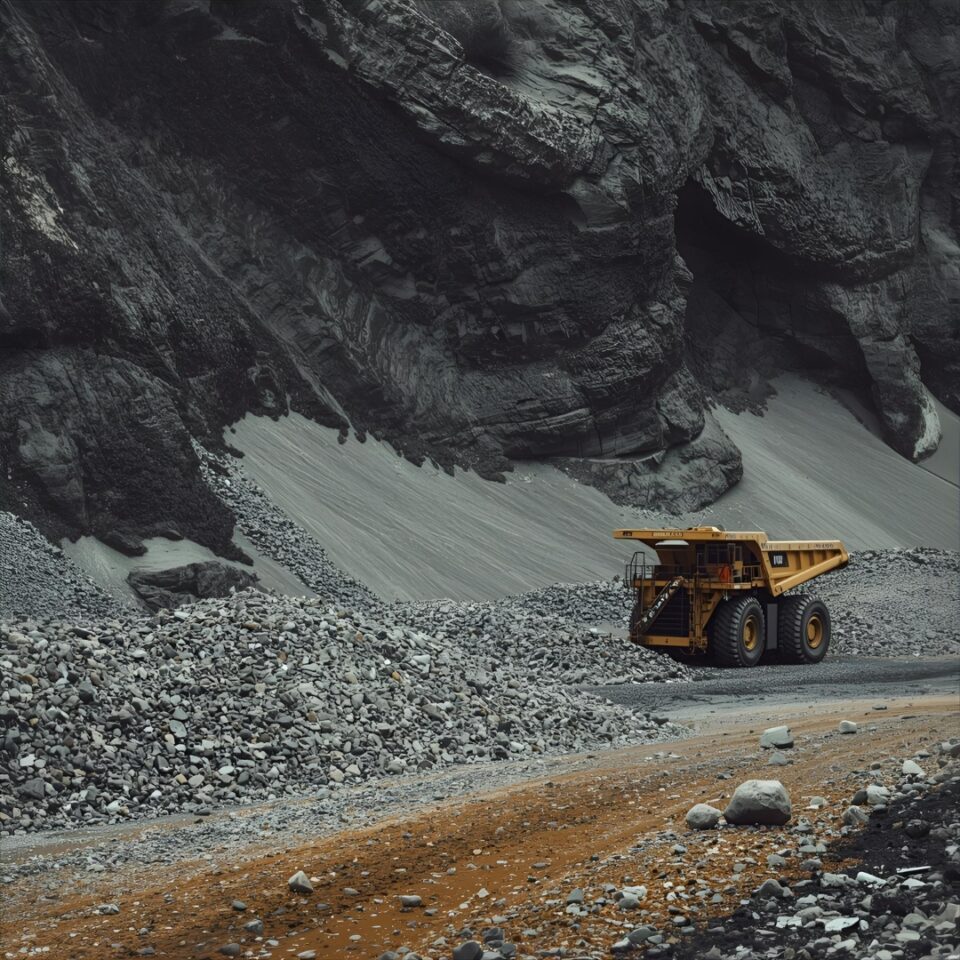
In today’s mining industry, competitiveness is shaped not only by what lies beneath the ground but also by what happens in the corridors of regulation. Around the world, governments are rewriting the rule book, and their choices are already reshaping the flow of global investment. Chile, Australia, Peru, China, and the United States each offer a different blueprint—revealing how taxation, environmental rules, and permitting speed can define mining’s future.
Chile: Certainty with a Price Tag
Chile’s 2023 royalty reform brought in a new ad-valorem tax plus a margin-based levy, raising government revenues while capping the overall tax burden for large producers at 46.5%. Investors now face higher costs, but with a clear ceiling that ensures predictability. Looking ahead, the 2025 Sectoral Permits Law promises to slash approval times by 30–70%, potentially boosting project Net Present Value (NPV) by as much as 15%.
Australia: ESG Leadership Comes at a Cost
Australia has chosen to lead on environmental and social governance (ESG)—but with financial consequences. Queensland’s 2022 coal royalty increase, with rates climbing up to 40%, has discouraged fresh investment in coal. Nationally, the Nature Positive Plan introduces tougher biodiversity zoning and a new Environmental Protection Agency, while the Safeguard Mechanism compels high-emitting mines to cut emissions annually or buy credits. These reforms bolster Australia’s image as a responsible supplier, but they also mean longer lead times and higher operating costs.
Peru: Streamlining Through Digitalization
Instead of raising taxes, Peru has targeted bureaucracy. In 2024, authorities rolled out 21 efficiency measures, including a five-day EIA admissibility review, joint processing of water and environmental permits, and early engagement with Indigenous communities. A new digital platform now tracks permits online, enhancing transparency. While artisanal miners gained more time to formalize—reducing informality but extending environmental risks—the system overall is faster and more predictable, strengthening Peru’s appeal for investors.
China: Lithium as a Strategic Resource
China’s 2024 Mineral Resources Law, taking effect in 2025, elevated lithium to the status of a strategic mineral. New rules enforce stricter environmental standards, set a 0.4% Li₂O minimum for deposits, and shift mining rights approvals to the Ministry of Natural Resources. At the same time, Beijing consolidated its rare earths sector under state control and tightened export restrictions on gallium, germanium, and graphite. These measures raise barriers to entry while cementing China’s dominance in the clean-energy supply chain.
United States: Speed as a Strategic Weapon
In 2025, the U.S. government invoked the Defense Production Act to fast-track critical mineral projects. Thanks to expanded FAST-41 coordination, some permits can now be issued in as little as 28 days. The administration is also backing seabed mining and mine-waste recovery, signaling a push into unconventional extraction. While this accelerates project NPVs, it also heightens the risk of legal challenges and environmental opposition, leaving questions about long-term stability.
The New Resource: Regulation
Mining has always been about geology, but in the 21st century, regulation has become just as valuable. Chile and Peru are offering greater certainty and efficiency; Australia and the U.S. are pulling in opposite directions—one toward stricter safeguards, the other toward speed; while China is doubling down on state control over strategic minerals.
The lesson is simple: rocks may open the door, but rules decide who walks through.