

A prolonged disruption of the Strait of Hormuz could have far-reaching consequences for the global mining sector, particularly by tightening supplies of sulphur and sulphuric acid—essential inputs in copper production.
This warning comes from Robert Friedland, founder and co-chairman of Ivanhoe Mines, who highlighted the growing vulnerability of mining operations to geopolitical risks affecting critical supply chains.
A critical link in copper production
Around 20% of global copper production relies on leaching processes that use sulphuric acid to extract metal from oxide ores. However, disruptions in the Middle East could significantly reduce the availability of sulphur—the key raw material used to produce sulphuric acid.
The Strait of Hormuz plays a vital role in global trade flows, with the Middle East accounting for more than 40% of global sulphur exports. Any prolonged closure could therefore constrain supply, creating ripple effects across mining and related industries.
Friedland cautioned that shortages of sulphuric acid—often described as one of the world’s most important industrial chemicals—could directly impact copper output worldwide, adding pressure to already tight markets.
Supply pressures intensifying
Concerns over supply are further compounded by expected policy changes in China, which is anticipated to restrict sulphuric acid exports. As one of the largest global exporters, any reduction in Chinese supply could tighten markets even further.
Sulphuric acid is not only essential for mining but also for agriculture, particularly in phosphate fertiliser production, which accounts for over half of global demand. Mining and metal processing make up a smaller but still significant share, highlighting the chemical’s cross-sector importance.
Strategic advantage in Africa
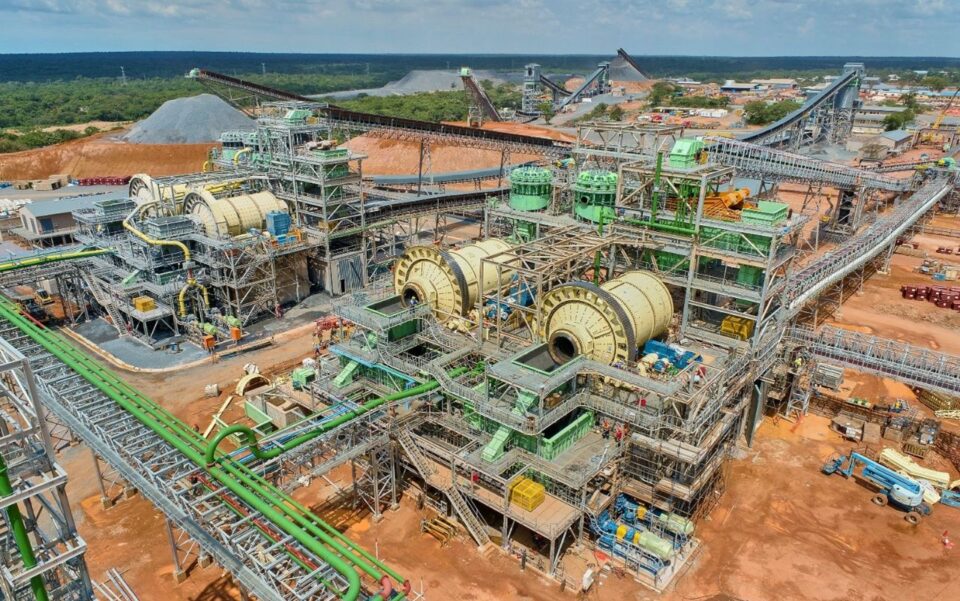
In this challenging environment, operations with integrated production capabilities are better positioned to withstand supply shocks. The Kamoa-Kakula copper complex in the Democratic Republic of the Congo is a prime example.
Operated by Ivanhoe Mines, the site hosts one of Africa’s largest copper smelters and produces sulphuric acid as a by-product of its operations. This reduces dependence on imported acid and allows the operation to supply nearby oxide copper mines within the Central African Copperbelt.
During the first quarter of 2026, Kamoa-Kakula produced nearly 118,000 tonnes of sulphuric acid, strengthening its role as both a producer and supplier in a tightening market.
Adjusted production outlook
Ivanhoe Mines reported first-quarter copper production of over 71,000 tonnes from Kamoa-Kakula, as the operation continues ramp-up and recovery efforts. However, the company has revised its short-term production guidance, now forecasting lower output for 2026 and 2027 compared to earlier expectations.
Despite these adjustments, the project remains one of the world’s highest-grade and fastest-growing copper operations, with long-term production expected to reach around 500,000 tonnes annually from 2028.
Rising geopolitical risks
Friedland’s warning highlights a broader trend: mining is becoming increasingly exposed to geopolitical disruptions, particularly through dependencies on critical inputs, energy supply and global shipping routes.
As demand for copper continues to rise—driven by electrification, renewable energy and infrastructure development—any disruption in key trade corridors like the Strait of Hormuz could have cascading effects across global supply chains.
For the mining industry, securing stable access to essential materials such as sulphuric acid is becoming just as important as accessing the mineral resources themselves.